
Getting toLondon
Arriving in London
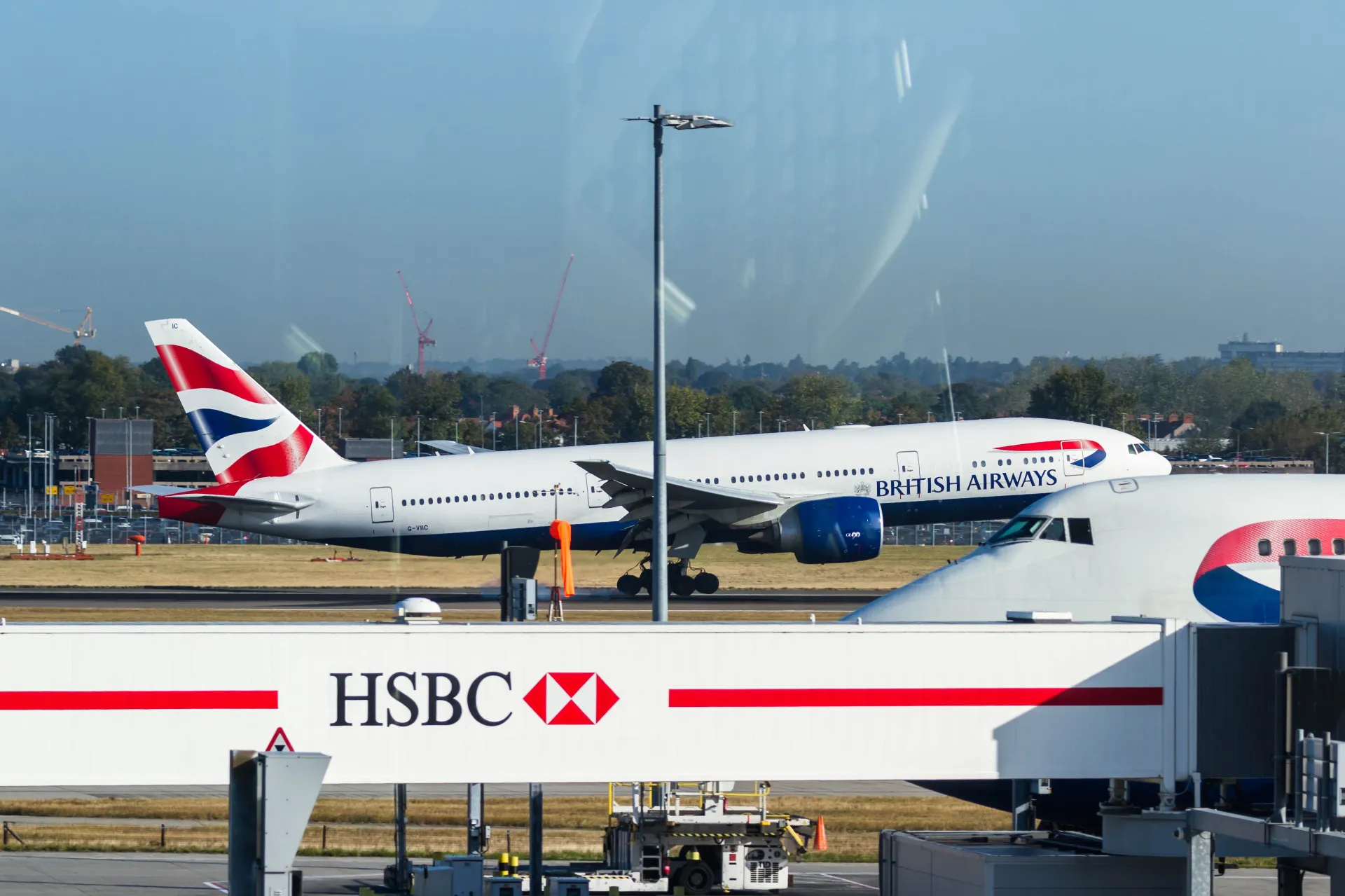
London is one of the world’s busiest travel hubs, accessible by air, bus, train, and car. Its main airports, Heathrow, Gatwick, Stansted, Luton, and London City, handle millions of passengers every year with both domestic and international flights. For those arriving by bus, Victoria Coach Station serves as the central hub for long-distance routes across the UK and Europe. Major railway stations such as King’s Cross, St Pancras, Paddington, and Victoria connect London with the rest of the country, while St Pancras International is the gateway for Eurostar services to Paris, Brussels, and Amsterdam. Driving into the city is possible but often complicated by traffic congestion and limited parking.
Planning Your Arrival
Airport transfers vary in cost and convenience. The Heathrow Express provides a fast connection to Paddington, while the Piccadilly Line on the Tube offers a more affordable option. Gatwick is linked to Victoria Station by the Gatwick Express, with slower but cheaper trains also available. From Stansted and Luton, dedicated express trains and buses connect travelers to central London. For greater convenience, especially during peak hours or bad weather, taxis and ride-shares are widely available but significantly more expensive. It is always wise to check traffic conditions and plan extra time for airport transfers.
Long-Distance Travel Options
Victoria Coach Station is the main hub for regional and international bus services, with connections to cities across the UK and Europe. Train travelers can rely on King’s Cross, Paddington, Liverpool Street, and other major stations for domestic routes. St Pancras International provides high-speed Eurostar services, linking London directly to continental Europe.
Driving Into the City
While driving into London is possible, it is not generally recommended. The city has heavy traffic, congestion charges, and expensive parking. Many visitors prefer to rely on the extensive public transport network instead, particularly when staying in central areas.
First Steps in the City
Upon arrival, obtaining an Oyster card or using contactless payment is essential for seamless access to London’s Tube, buses, and trains. Oyster cards are available at stations and kiosks, while contactless payment works directly with bank cards and mobile wallets.
Using apps such as Citymapper or Google Maps helps navigate real-time schedules, service alerts, and walking directions, ensuring you get around efficiently. Familiarize yourself with the nearest Tube stations and bus stops, and don’t hesitate to walk, as many central attractions are close together and best enjoyed on foot.
To avoid the busiest crowds, plan journeys outside rush hours, especially if carrying luggage. Service updates and temporary closures are common, so checking Transport for London (TfL) information before traveling is highly recommended. Locals and station staff are generally friendly and can provide useful advice if needed.
Read our blog

The Best Day Trips from Vienna and Berlin