What to do in Mexico City during the 2026 World Cup
A practical guide to making the most of the 2026 World Cup in Mexico City, combining matches at Estadio Azteca with trips to Teotihuacán, Xochimilco, and cultural, food, and nightlife experiences in the city.
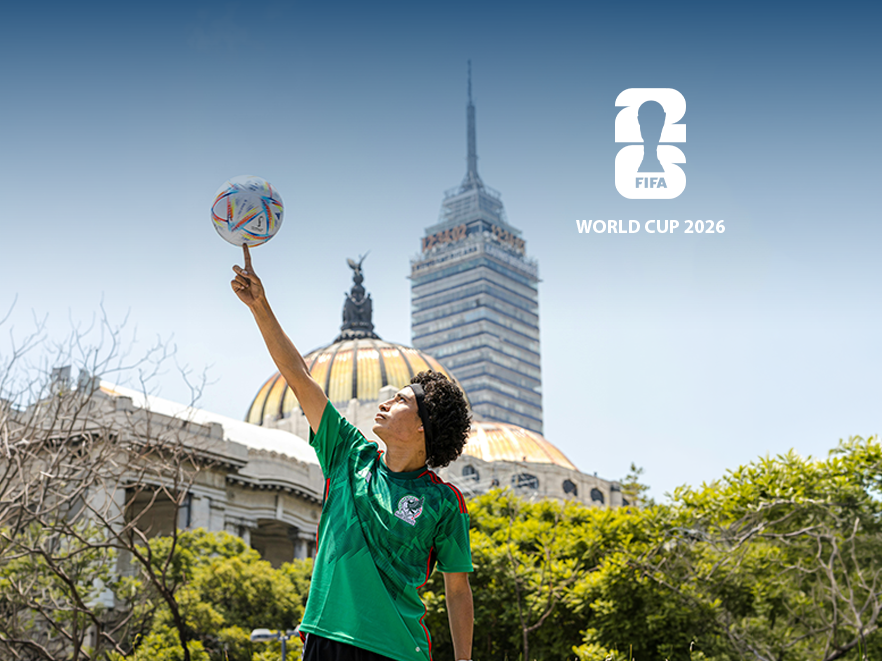
Mexico City isn't hosting the 2026 World Cup: It's kicking it off. On June 11, Estadio Azteca will open the biggest tournament in soccer history with Mexico taking center stage, becoming the only stadium in the world to host three Worlds Cups (1970, 1986, and 2026). If several days in the city. And that, if well spent, is a unique opportunity.
This guide isn't a generic "best of Mexico City" list. It's a guide designed for those who already have their trip planned and want to know exactly what to do on non-match days.
2026 World Cup matches in Mexico City
All matches will be played at Estadio Azteca, in the southern part of the city. These are the confirmed dates:
June 11 — Mexico vs. South Africa (Opening Match)
June 17 — Colombia vs. Uzbekistan
June 24 — Mexico vs. UEFA playoff winner
June 30 — Round of 32
July 5 — Round of 16
With this schedule, most fans will have blocks of 5 to 7 free days between matches. That's more than enough time to truly get to know one of the most fascinating cities in the world.
If you have a full day free: get out of the city
Full days between matches are gold. Mexico City has some of the most important archaeological and historical sites on the continent less than an hour away. These are the two absolute must-dos:
Teotihuacan and the Basilica of Guadalupe
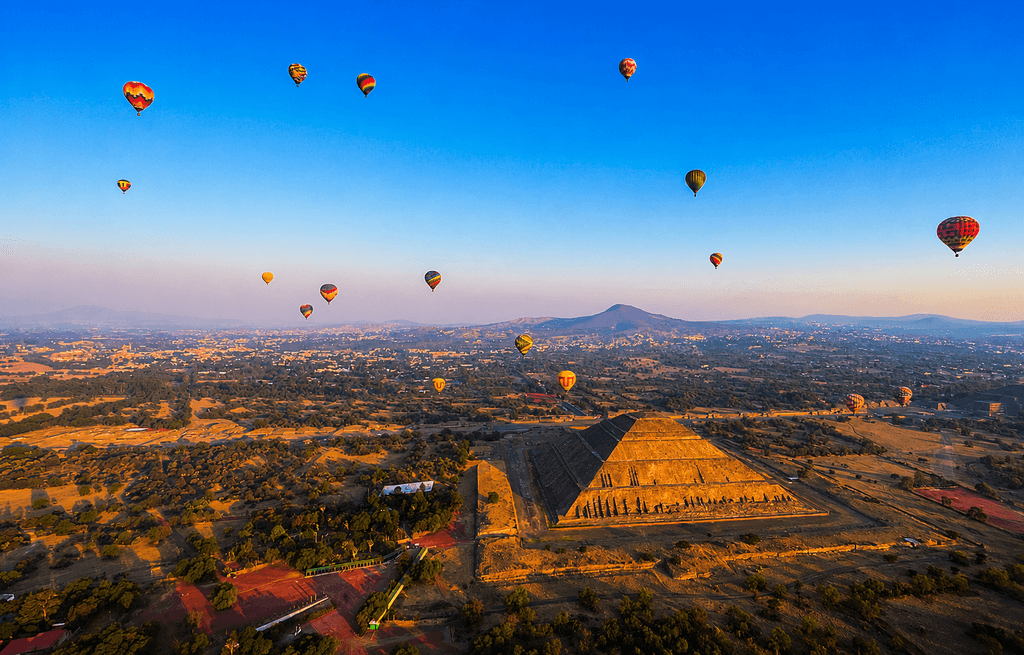
Just over 50 kilometers to the northeast, Teotihuacan is one of the most impressive archaeological sites in the world. The Pyramid of the Sun, the Pyramid of the Moon, and the Avenue of the Dead form a complex that has defied any simple explanation for millennia.
What separates a good visit from an average one is early access: arriving before the site gets crowded doesn't just improve the experience; it completely transforms how you perceive the structures. In the early morning light and without the crowds, the pyramids reclaim some of their true scale.
Amigo Tours offers the Teotihuacan and Basilica of Guadalupe Tour (a full 9-hour day), combining the archaeological site with a visit to the Basilica of Our Lady of Guadalupe, the most visited Catholic shrine in the Americas and one of the twenty most visited in the world. Two places that, even on their own, would justify the trip.
For those who prefer maximum peace and quiet, the Teotihuacan Early Access Tour (8 hours) is also available, ensuring you arrive at the site before the mass opening to the public.
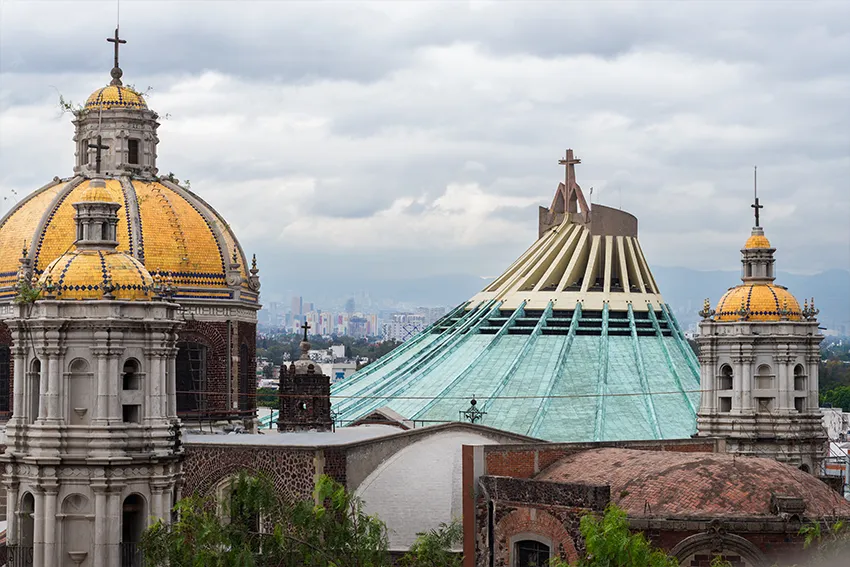
Basilica of Guadalupe, Mexico City
Xochimilco, Coyoacan, and the Frida Kahlo Museum
If Teotihuacan represents pre-Hispanic Mexico City, this combination showcases its most mestizo and bohemian side. Xochimilco is the canal system surviving from the Aztec era: cruising it in a trajinera, with mariachis and local food, is one of those experiences that isn't easily replicated. Coyoacan is the colonial neighborhood where Frida Kahlo was born, featuring cobblestone streets, markets, and a small-town vibe right inside the big city. And the Casa Azul, the museum dedicated to the painter, is one of the most visited in Mexico.
The Xochimilco, Coyoacan, and Frida Kahlo Museum Tour (9 hours, with optional lunch) covers all three in a single day. It's the perfect plan for the block of free days between the June 11 and June 17 matches.
If you have a free morning or afternoon: city center
On match days, the recommended strategy is to arrive at the Azteca 3 or 4 hours early due to road closures. That means the morning can still be put to good use. And on the days between matches, if you don't want to do a full-day excursion, Mexico City has neighborhoods and experiences that don't require an entire day.
History and architecture in the historic center
The Zócalo is the second-largest public square in the world and the historic heart of the city. Surrounding it are the Metropolitan Cathedral, the National Palace with Diego Rivera's murals, and the Templo Mayor, the ruins of the Aztec ceremonial center discovered right in the middle of the city. The Walking Tour of Palaces and Historical Buildings (4 hours) structures this visit with an expert guide who contextualizes what might be lost without explanation.
For those who want to go further and deeply understand pre-Hispanic Mexico, the Pre-Hispanic Mexico Walking Tour (4 hours) includes the National Museum of Anthropology and the Templo Mayor Museum, two of the best collections of Mesoamerican art in the world.
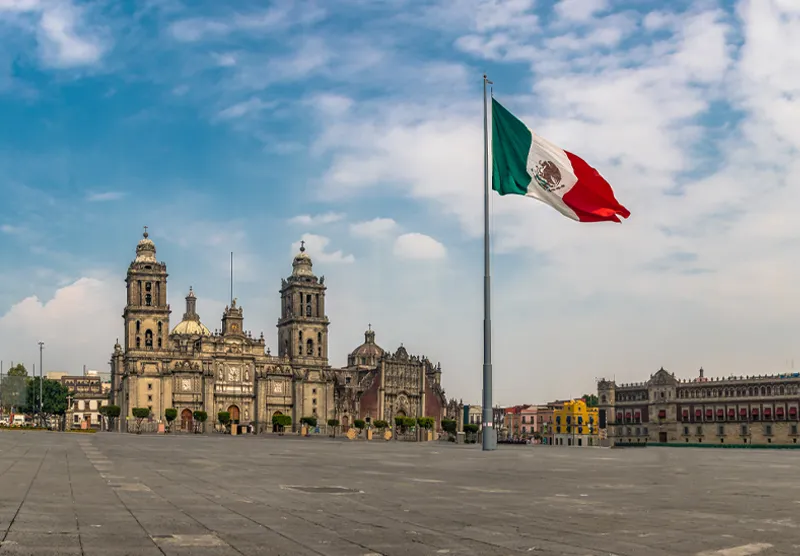
Zócalo, Mexico City
Gastronomy: tacos and local markets
Mexico City is one of the planet's great gastronomic capitals. The Tacos and Local Markets Walking Tour (4 hours) combines a tour of the historic center with stops at kitchens and markets that don't usually appear in standard travel guides. It's the ideal plan for a pre-match morning.
Chapultepec: the castle and the anthropology museum
Chapultepec Castle is the only royal palace in North America and offers one of the best panoramic views of the city. It's 10 minutes from the Condesa neighborhood, one of the most highly recommended areas to stay during the World Cup. The Guided Tour of Chapultepec Castle and the Museum of Anthropology (5 hours) combines both visits into a single morning.
World Cup nights also have a plan
Match nights in Mexico City are going to be unique. But on non-match days, the city's nightlife also deserves attention. The Mexico City Night Walking Tour (2 hours) takes you past the illuminated monuments of the historic center. A more spectacular alternative is the Capital Bus: Double-Decker Night Tour (1.25 hours), the most affordable and visually striking option to grasp the true scale of the city at night.
And if you want a night of pure Mexico, the Lucha Libre: Tour, Tequila, Mezcal, and Live Show (4 hours) is exactly what it sounds like: Mexican pop culture in its most genuine and loudest form.
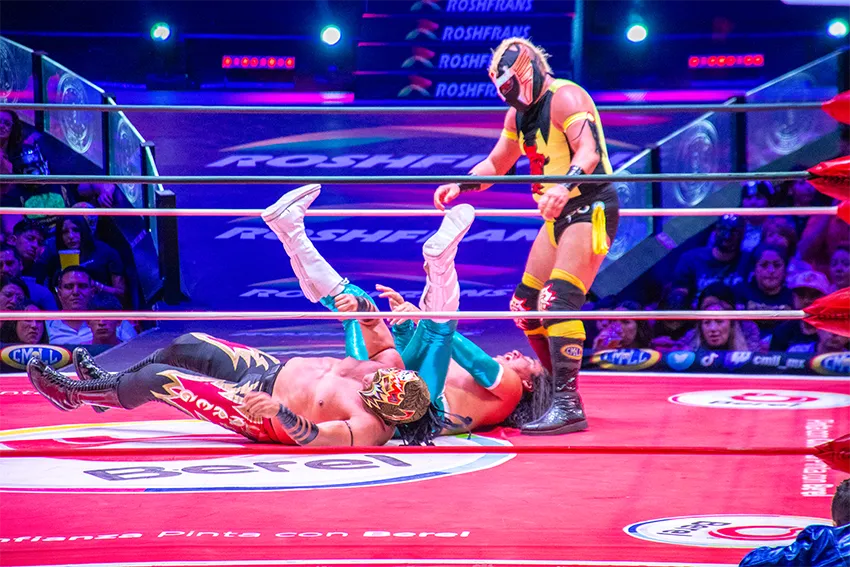
Lucha Libre, Mexico City
If you have 2 days or more: explore other corners of Mexico
Given the schedule dates, some fans will have large enough blocks of time for a two-day getaway. From Mexico City, you can reach destinations like Puebla, San Miguel de Allende, or Taxco in under two hours.
The Puebla, Cholula, and Tonantzintla Day Tour (11 hours) is one of the most comprehensive excursions from the capital: a colonial city, a pre-Hispanic pyramid buried beneath a baroque church, and one of Mexico's most ornate temples, all in one day.
For those who want to combine the main excursions into a single booking, the Combo: Teotihuacan and Basilica of Guadalupe + Xochimilco, Coyoacan, and Frida Kahlo (2 days) covers the most important sites in and around the city over two days.
Practical tips for getting around during the World Cup
How to get to Estadio Azteca: The stadium is in the southern part of the city, about 13 kilometers from the Historic Center. The most convenient route is Metro Line 2 to Tasqueña station, and from there, the Light Rail (Tren Ligero) to the Estadio Azteca stop. A metro ticket costs 5 pesos (approximately 0.30 euros). On match days, car traffic can triple travel times: public transportation is the most reliable option.
Arrive early: Organizers recommend being at the stadium 3 or 4 hours before the match. Entrances will be heavily controlled, and the surrounding areas will be gridlocked.
Where to stay: The Condesa, Roma, and Polanco neighborhoods have the best hotel offerings and are well connected to the stadium. They are also the liveliest neighborhoods: packed with restaurants, patios, and bars where you can watch the matches Mexico isn't playing in.
The digital FMM: All international visitors need the Multiple Immigration Form (FMM), which as of 2026 is completely digital. If you arrive on a commercial flight, it's included in your ticket. If you arrive by land, you must process it online before crossing the border. The cost is 983 Mexican pesos (approximately 57 dollars).
Mexico City during the World Cup isn't just going to be about soccer. It's going to be one of the largest cultural gatherings to happen on the American continent in decades. Plan your days between matches well: they are what will make the difference between just having been there and having lived an experience you'll remember for the rest of your life.