Getting toMadrid
Arriving in Madrid
Madrid is a major European travel hub accessible by air, train, bus, and car. Its main airport, Adolfo Suárez Madrid–Barajas (MAD), is located just 12 kilometers from the city center and offers extensive domestic, European, and intercontinental connections. For those arriving by train, Madrid Puerta de Atocha–Almudena Grandes Station is the central hub for high-speed AVE trains and regional services, while Madrid Chamartín Clara Campoamor Station serves northern routes. Long-distance buses arrive at Estación Sur de Autobuses and Moncloa Station, linking Madrid with destinations across Spain and Portugal.
Planning Your Arrival
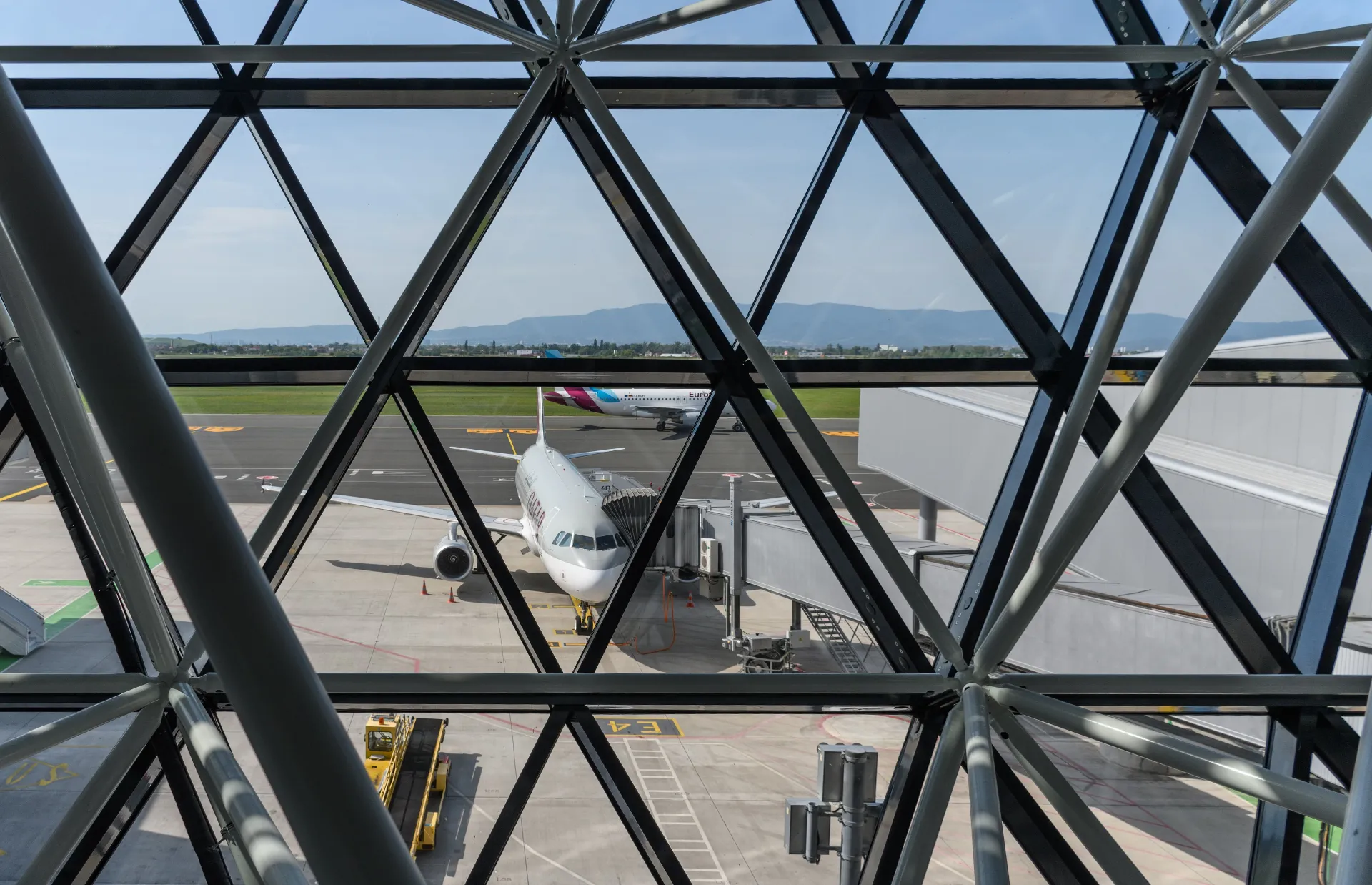
Airport transfers in Madrid vary in cost and convenience. Taxis from Adolfo Suárez Madrid–Barajas Airport have a fixed rate to the city center, offering a straightforward option if you have luggage or arrive late. Public transport is more economical: the Metro’s Line 8 connects the airport with Nuevos Ministerios in about 15 minutes, while the airport express bus runs 24 hours to central locations like Cibeles and Atocha Station.
Ridesharing services such as Uber, Cabify, and Bolt provide door-to-door service and can be booked in advance for added convenience, especially during peak travel times or bad weather. Whichever option you choose, it’s worth checking schedules and traffic conditions before you travel to avoid delays.
Long-Distance Travel Options
Spain’s high-speed rail network makes Madrid an ideal base for exploring the country. AVE trains connect to Barcelona in about 2.5 hours, Seville in 2.5 hours, and Valencia in under 2 hours. Long-distance buses are a budget-friendly alternative, serving major cities and rural areas not covered by train.
Driving Into the City
While driving to Madrid is possible, navigating one-way streets, traffic restrictions in the Low Emission Zone (ZBE), and limited parking can be challenging. Visitors often find it easier to park outside the center and use public transport to get around.
First Steps in the City
Upon arrival, getting a Multi Card or loading a 10-trip ticket is the most practical way to use the metro, city buses, and light rail. These are available at metro stations, tobacco shops, and kiosks. Contactless payment with bank cards or mobile wallets is also accepted.
Apps like Google Maps or Citymapper provide real-time metro, bus, and Cercanías schedules, service alerts, and walking routes. Identifying the nearest metro or bus stops to your accommodation makes getting around easier. Walking is a great way to explore central neighborhoods, while cycling with BiciMAD offers a flexible and eco-friendly option.
To avoid crowds, plan journeys outside peak commuting hours and check official transport updates before traveling. Madrid residents and transport staff are generally friendly and happy to help with directions or tips.
Read our blog

The Best Day Trips from Vienna and Berlin