How to get around toMadrid
Public and Alternative Transportation Options
Metro
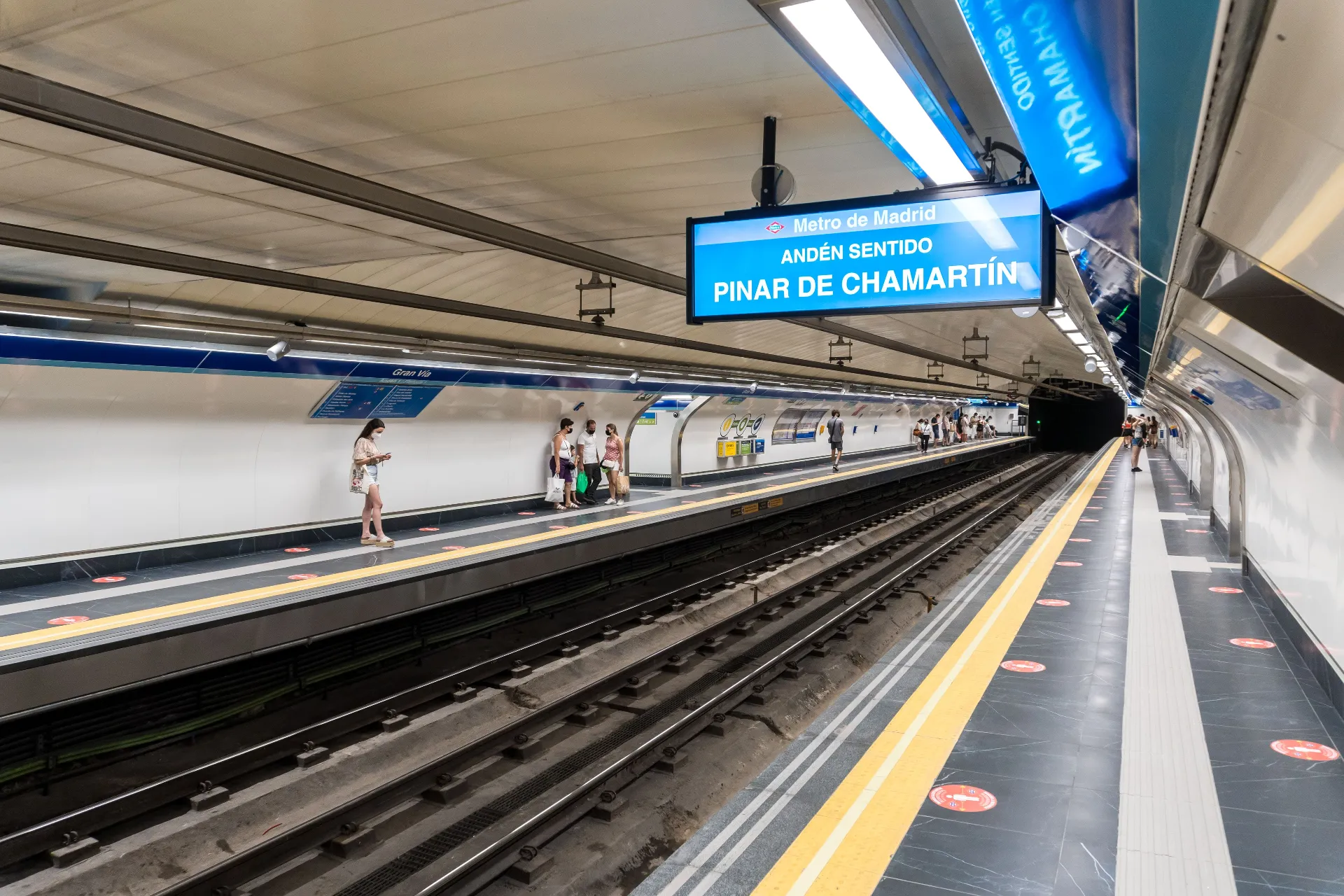
Madrid’s metro is one of the most extensive and efficient in Europe, with 12 lines connecting all parts of the city. Key lines for visitors include Line 1 (light blue) for Puerta del Sol and Atocha Station, Line 2 (red) to get to Gran Vía and Plaza de España, and Line 10 (dark blue) for Santiago Bernabéu Stadium. Stations are well-signed and trains run frequently from early morning until late at night.
City Buses
An excellent complement to the metro, Madrid’s EMT buses reach areas not covered by underground lines. They are also a great way to see the city from above ground. The network operates daily, with special night buses known as “búhos” running after the metro closes.
Cercanías and Light Rail
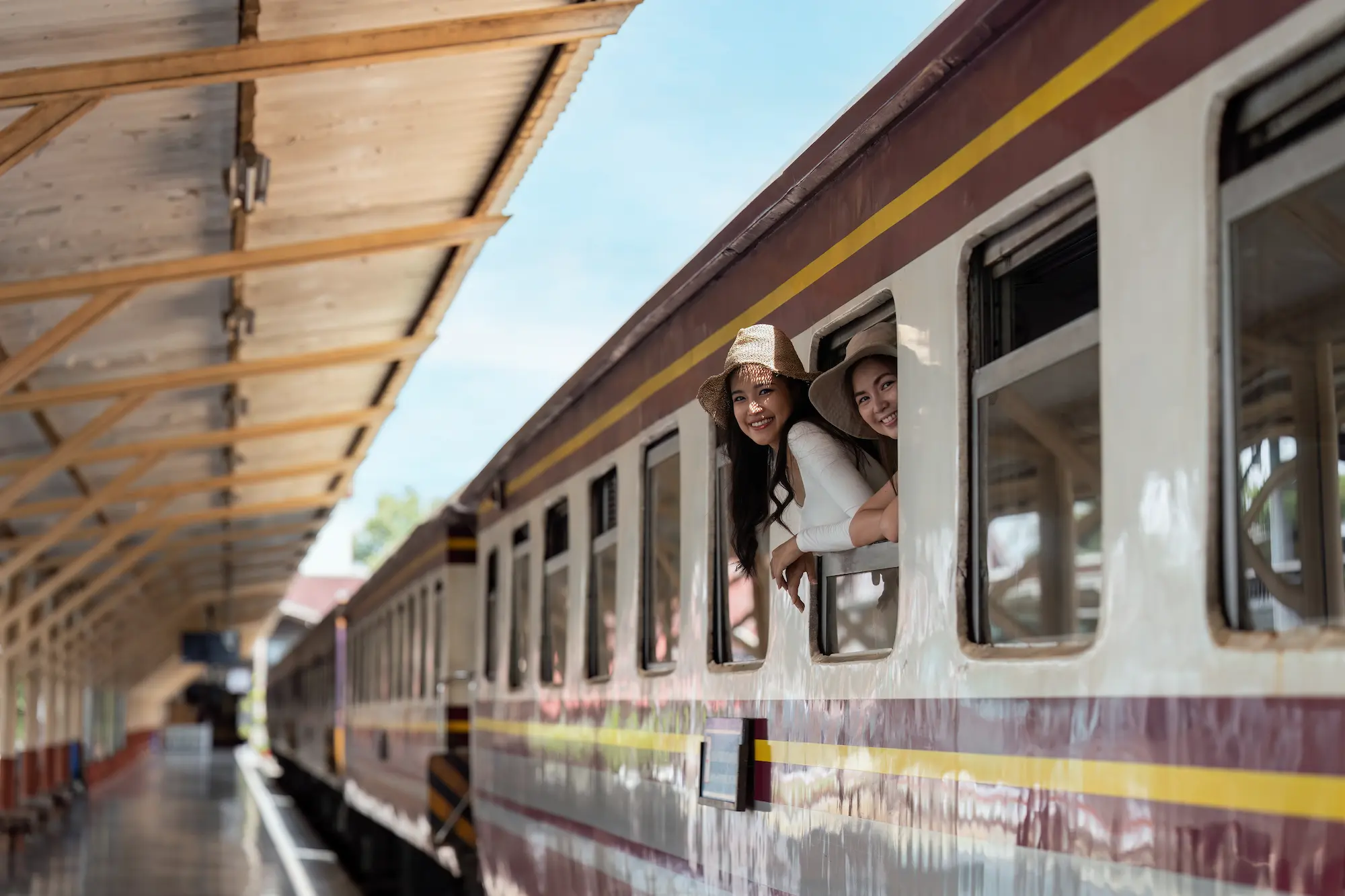
Operated by Renfe, the Cercanías commuter trains connect Madrid with nearby destinations like El Escorial, Alcalá de Henares, and Aranjuez. The Metro Ligero (light rail) serves suburban areas and links to the main metro network. Both are convenient options for reaching destinations beyond the city center.
Other Mobility Options
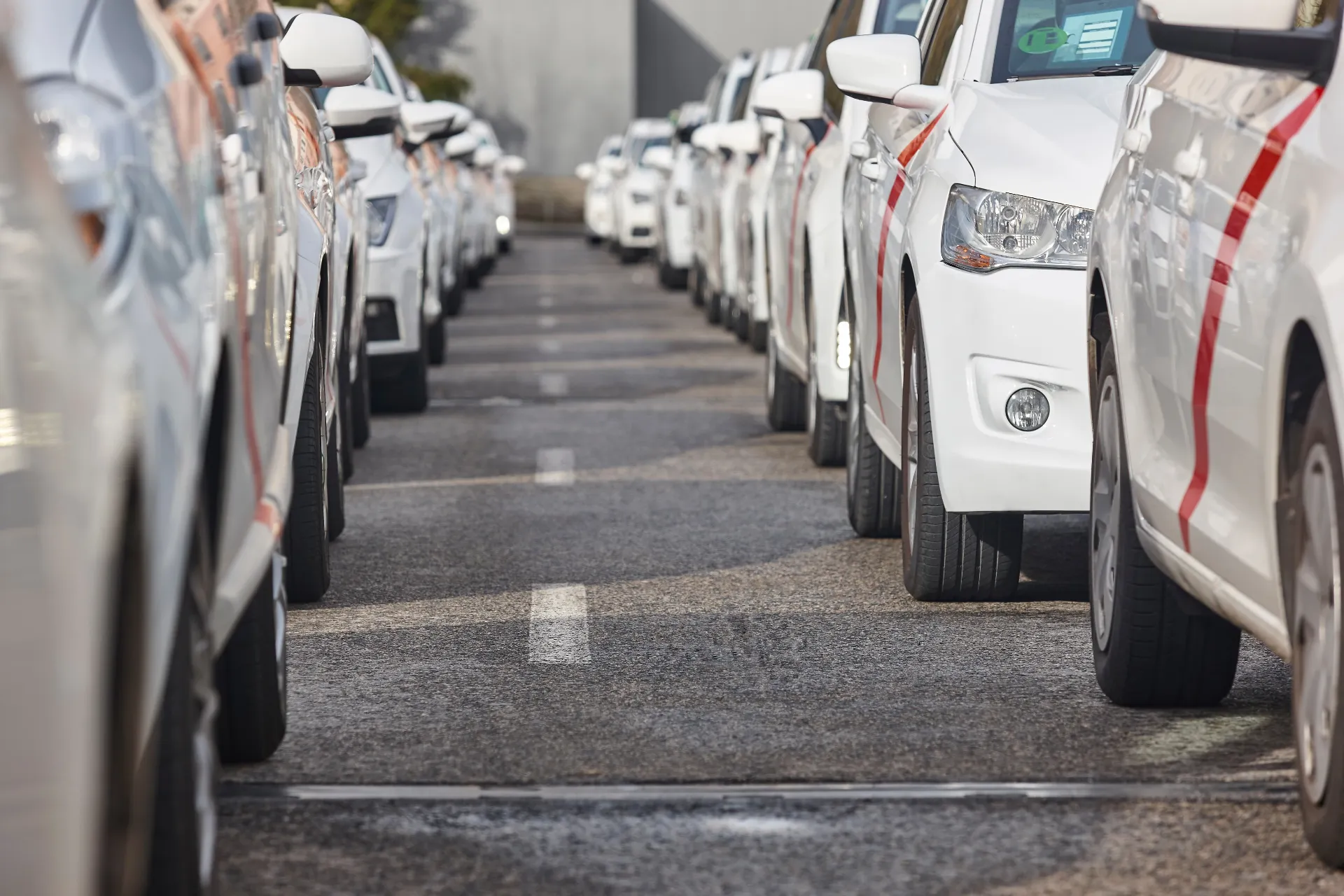
Madrid’s BiciMAD system offers electric bike rentals with docking stations throughout the city, and central neighborhoods like Centro, Salamanca, and Chamberí are ideal for exploring on foot. Ridesharing services such as Uber, Cabify, and Bolt, along with the city’s official white taxis, provide safe and convenient door-to-door transport.
Airport Transfers and Intercity Travel
Adolfo Suárez Madrid-Barajas Airport (MAD) is about 20 minutes from the city center and is connected via metro (Line 8), express buses, and commuter trains. Madrid 's main train stations, Atocha and Chamartín, offer high-speed AVE services to cities like Barcelona, Seville, and Valencia. Long-distance buses depart from terminals such as Méndez Álvaro and Avenida de América.
Read our blog
The Best Day Trips from Vienna and Berlin