
Getting toParis
Arriving in Paris
Paris is connected by two major airports, Charles de Gaulle (CDG) and Orly (ORY), as well as a smaller one, Beauvais (BVA), which mostly serves low-cost airlines. International travelers often arrive at CDG, one of Europe’s busiest airports, with direct connections worldwide. Orly is more compact and convenient for European and domestic flights, while Beauvais, located farther away, requires a shuttle transfer of about 90 minutes to the city center.
For those arriving by train, Paris is one of Europe’s best-connected cities. The Gare du Nord welcomes trains from London and Brussels, Gare de Lyon serves routes to Switzerland and the south of France, and Gare de l’Est handles connections to Germany and Eastern Europe. Each station is well linked to the metro system, making onward travel straightforward. Signs are bilingual in French and English, which helps international visitors navigate more easily.

Planning Your Arrival
Transfers into the city vary in cost and convenience. The RER B train from Charles de Gaulle reaches central Paris in about 35 minutes, while Orlyval shuttle trains connect Orly to the metro system in roughly 30 minutes. Airport buses provide budget-friendly options, though they are slower in heavy traffic. Fixed-rate taxis are available from both main airports, offering peace of mind, especially for travelers with luggage or late-night arrivals.
Planning ahead can make the difference between a stressful arrival and a smooth start. Buying transport tickets online, checking real-time schedules on official websites, or downloading the RATP app will save time. Accessibility is another important consideration: while airports are well equipped, the Paris Metro has limited elevators, so travelers with reduced mobility may prefer buses, taxis, or accessible ride-sharing options.
Long-Distance Travel Options
Paris sits at the heart of France’s high-speed rail (TGV) network, making it easy to reach major cities like Lyon, Marseille, Bordeaux, and Strasbourg in just a few hours. International destinations such as London, Brussels, and Amsterdam are also directly connected via Eurostar and Thalys services. Booking tickets early often guarantees better prices, especially for popular routes during weekends or holidays.
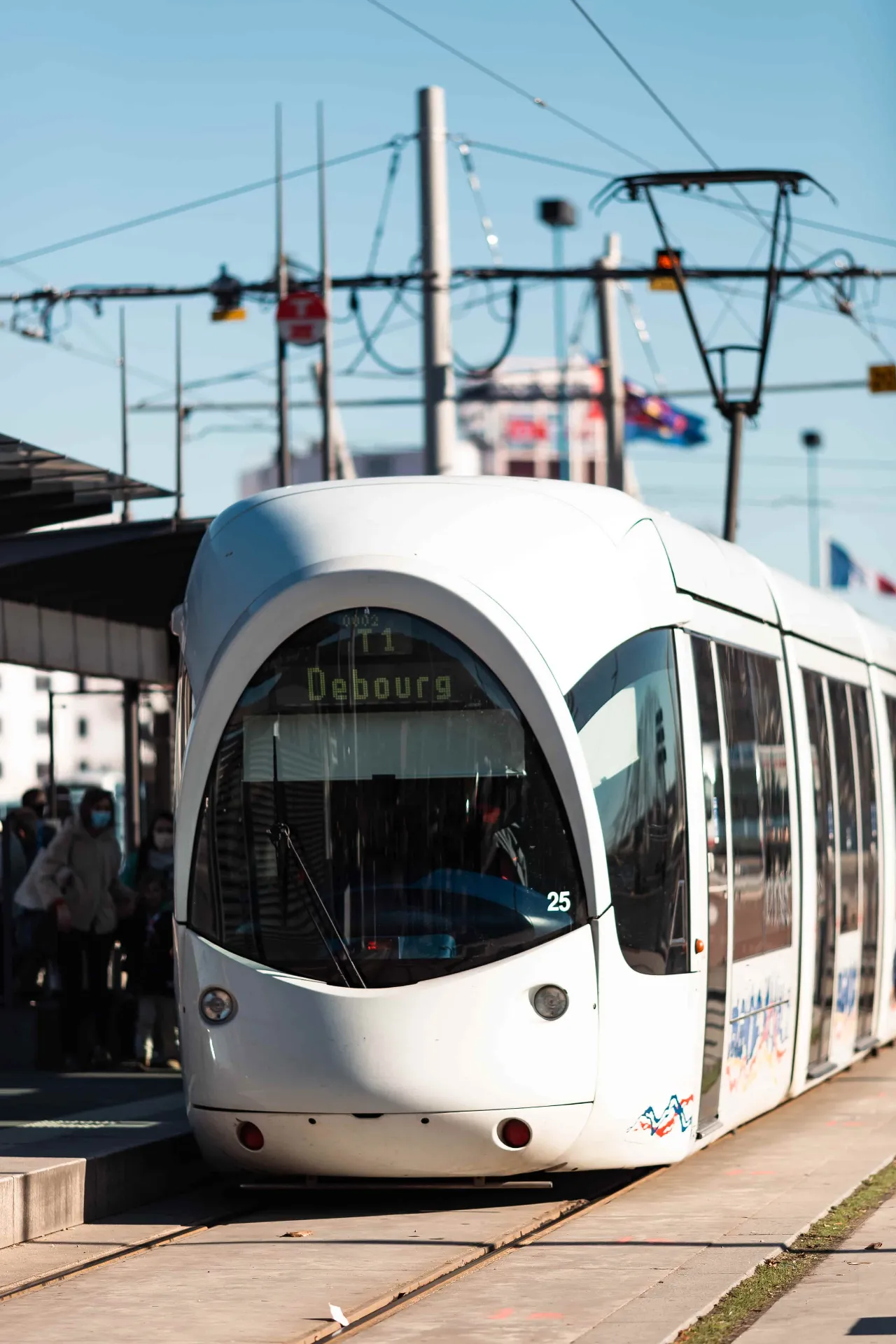
Long-distance buses from hubs like Bercy Seine station provide budget alternatives for domestic and international travel. Though slower, they can be ideal for travelers prioritizing cost over speed. Both trains and buses are well integrated with Paris’s public transport, so arriving passengers can easily continue to their final destination in the city.
Driving Into the City
Driving in Paris is not recommended. Traffic is heavy, parking is scarce and expensive, and many central districts restrict cars. Visitors arriving by car often park in peripheral garages and use public transport to move around. If driving is unavoidable, renting a small car makes navigating narrow streets easier, but expect limited parking and higher costs. Some hotels offer partnerships with parking facilities, so checking with your accommodation in advance can be helpful.
First Steps in the City
Upon arrival, a Paris Visite card or similar pass simplifies public transport while providing discounts at attractions. Apps like RATP or Citymapper help with navigation and real-time updates. Local SIM cards are widely available at airports and in the city, and Wi-Fi is common in hotels and cafés. Taking a little time to get familiar with the metro map and nearby landmarks on the first day will make exploring smoother. For a relaxed start, many travelers enjoy a gentle walk along the Seine or in a local neighborhood to get acquainted with Paris’s rhythm.
Read our blog

The Best Day Trips from Vienna and Berlin