Getting toTokyo
Arriving in Tokyo
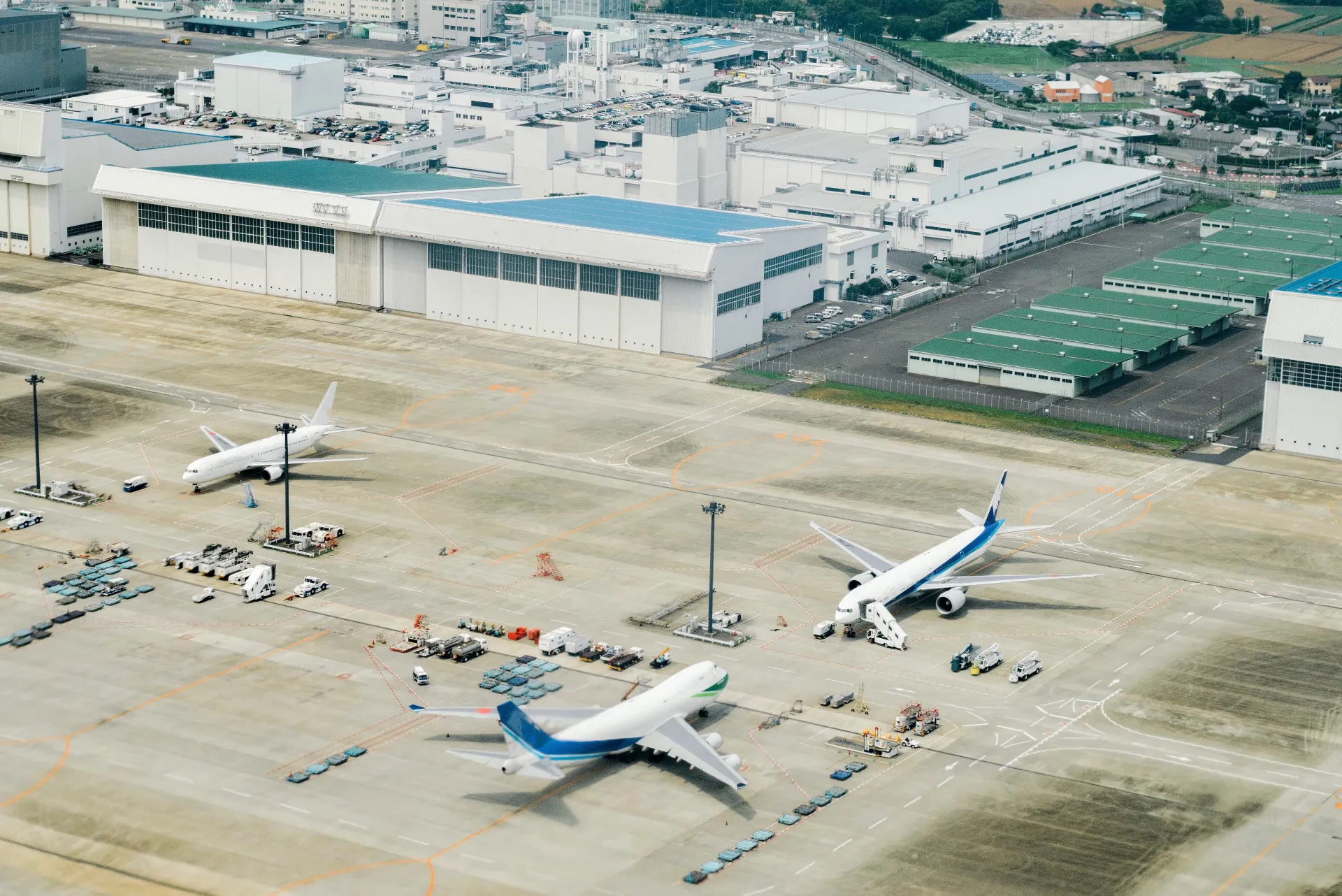
Tokyo is served by two main airports: Haneda and Narita. Haneda is closer to the city center, connected by monorail and Keikyū trains. Narita is served by the Narita Express, Keisei Skyliner, and airport buses. Both have direct connections to major districts such as Shinjuku, Shibuya, and Tokyo Station.
Planning Your Arrival
Choose your transfer based on where you are staying and how much luggage you carry. For most travelers, trains are the fastest and most efficient option. The Narita Express (N’EX) connects Narita Airport directly to Tokyo Station, Shinjuku, and Yokohama in about one hour, offering reserved seats and ample luggage space. The Keisei Skyliner is another excellent choice, reaching Ueno in just 40 minutes. From Haneda Airport, the Tokyo Monorail runs to Hamamatsuchō Station, linking directly to the JR Yamanote Line, while Keikyū trains connect easily to Shinagawa and Yokohama.
Airport Limousine Buses are ideal for travelers staying in hotels without nearby stations, providing direct access to major areas such as Shibuya, Shinjuku, and Ginza. For late-night arrivals, taxis and airport shuttles are reliable but more expensive. Booking any transfer in advance is recommended, particularly during weekends or national holidays when demand increases significantly.
Long-Distance Travel Options
The shinkansen connects Tokyo to most major Japanese cities in a few hours. From Tokyo Station you can travel south to Kyoto and Osaka, north to Sendai and Aomori, or west to Kanazawa and Niigata. Long-distance buses offer cheaper alternatives with overnight routes.
Driving Into the City
Driving in Tokyo can be challenging, especially for visitors unfamiliar with Japanese traffic laws and signage. Streets are narrow, parking is limited, and many central areas operate under one-way systems. Traffic jams are common during rush hours, and parking fees can be high, especially in business and shopping districts. Navigation systems are advanced and often bilingual, but GPS accuracy may vary among tall buildings.
Foreign drivers must hold both their home country license and an International Driving Permit (IDP). Rental cars are best suited for trips outside the city, such as to Mount Fuji, Hakone, or Nikko, rather than for urban exploration. Within Tokyo, public transportation remains faster, more economical, and environmentally friendly. However, for travelers who value flexibility or travel with family, renting a car for day trips from the city can be convenient, as expressways are well-maintained and clearly signposted.
First Steps in the City
Purchase or load a Suica or PASMO card for seamless transport. Consider a data SIM or portable Wi-Fi to navigate easily. Apps like Google Maps and Japan Travel guide you through stations and lines. Above all, wear comfortable shoes and take your time, as Tokyo is a city best discovered slowly, one neighborhood at a time.
Take your time to explore, observe, and enjoy. Tokyo’s true beauty lies in the small details that reveal themselves at every turn.
Read our blog

The Best Day Trips from Vienna and Berlin