How to get around toTokyo
Public and Alternative Transportation Options
Metro
Tokyo’s rail network is one of the most efficient in the world, operated mainly by Tokyo Metro and Toei Subway. The most popular lines include:
JR Yamanote Line: The main circular line connecting Shinjuku, Shibuya, Ueno, Ikebukuro, Tokyo Station, and other major districts.
Tokyo Metro Ginza Line (orange): Connects Asakusa, Ueno, Ginza, and Shibuya, making it ideal for sightseeing.
Tokyo Metro Marunouchi Line (red): Runs through business and shopping areas such as Tokyo, Ginza, Shinjuku, and Ikebukuro.
Toei Oedo Line (magenta): Circles central Tokyo, passing through Roppongi, Shinjuku, and Tsukiji.
Hibiya Line (silver): Links key neighborhoods like Roppongi, Ebisu, Akihabara, and Ueno.
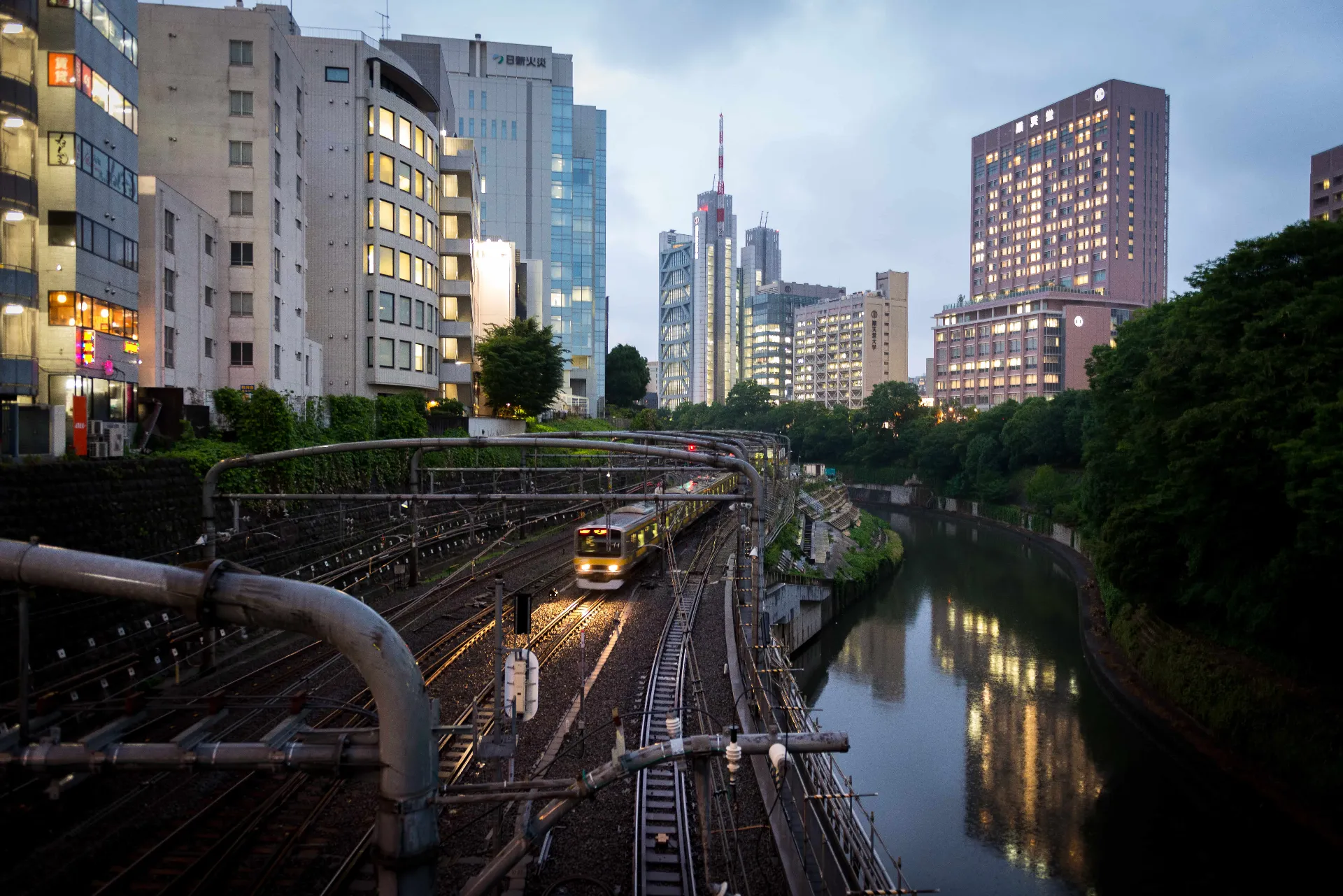
Trains generally operate from 5 am to midnight, with some extended service on weekends. IC cards such as Suica and PASMO allow easy transfers across metro, JR, and bus lines. Apps like Tokyo Metro, JR East, and Google Maps make navigation simple and accurate. Always check updated schedules and maintenance information on the official transport websites before traveling, as routes and service hours can change.
Buses and Trams
Buses complement the metro by covering residential and riverside areas not served by train. They are punctual, air-conditioned, and display bilingual signs. IC cards are accepted, and fare payment is contactless. Key routes connect Asakusa, Ueno, Tokyo Skytree, and Odaiba, offering scenic rides through everyday neighborhoods.
For a nostalgic experience, the Toden Arakawa Line and Tokyu Setagaya Line are Tokyo’s remaining streetcars, running through local districts filled with cafés, temples, and small shops. These trams offer a slower, more intimate view of the city and are favorites among photographers and locals alike. Always verify the latest route details and stops on the official Toei or Tokyu websites, especially during holidays or maintenance periods.
Ride-Sharing and Taxis
Taxis are clean, reliable, and have automatic doors. Most display English menus and navigation systems. Apps like JapanTaxi and Uber operate with licensed taxis, ensuring fair fares and safety. Late at night, taxis are often the easiest way to get around when trains stop.
Biking and Walking
Walking is one of the most rewarding ways to explore Tokyo. Many districts like Asakusa, Ginza, and Omotesandō are best experienced on foot. Bike-share programs are available in central areas, with docking stations near stations and parks. Sidewalks are wide and safe for both pedestrians and cyclists.
Airport Transfers and Intercity Travel
Tokyo is served by two airports: Haneda (HND), closer to the center, and Narita (NRT), located further east. Rapid trains, airport buses, and taxis connect both airports with major districts. Haneda is ideal for late arrivals or short stays, while Narita offers more international routes.
For intercity travel, the shinkansen (bullet train) from Tokyo Station connects you to Kyoto, Osaka, and Hiroshima in just a few hours.
Smart Tips for a Smooth Ride
Load a Suica or PASMO card before traveling to avoid buying single tickets. Avoid rush hours between 7:30–9:30 am and 5:30–7:30 pm. Use navigation apps to plan routes and station exits, as some have long underground passages. Tokyo rewards comfortable shoes and patience, as the city is best discovered step by step.
Read our blog

The Best Day Trips from Vienna and Berlin