
Where to eat toRome
Rome’s culinary scene is as iconic as its monuments. Rooted in tradition yet constantly evolving, Roman food celebrates simple ingredients transformed into unforgettable flavors. From centuries-old trattorias to lively markets and modern bistros, eating in Rome is an experience that blends history, culture, and daily life.
Must-Try Dishes
Cacio e Pepe: A pasta dish seasoned only with pecorino romano cheese and black pepper, proving how simple ingredients can create intense flavor.
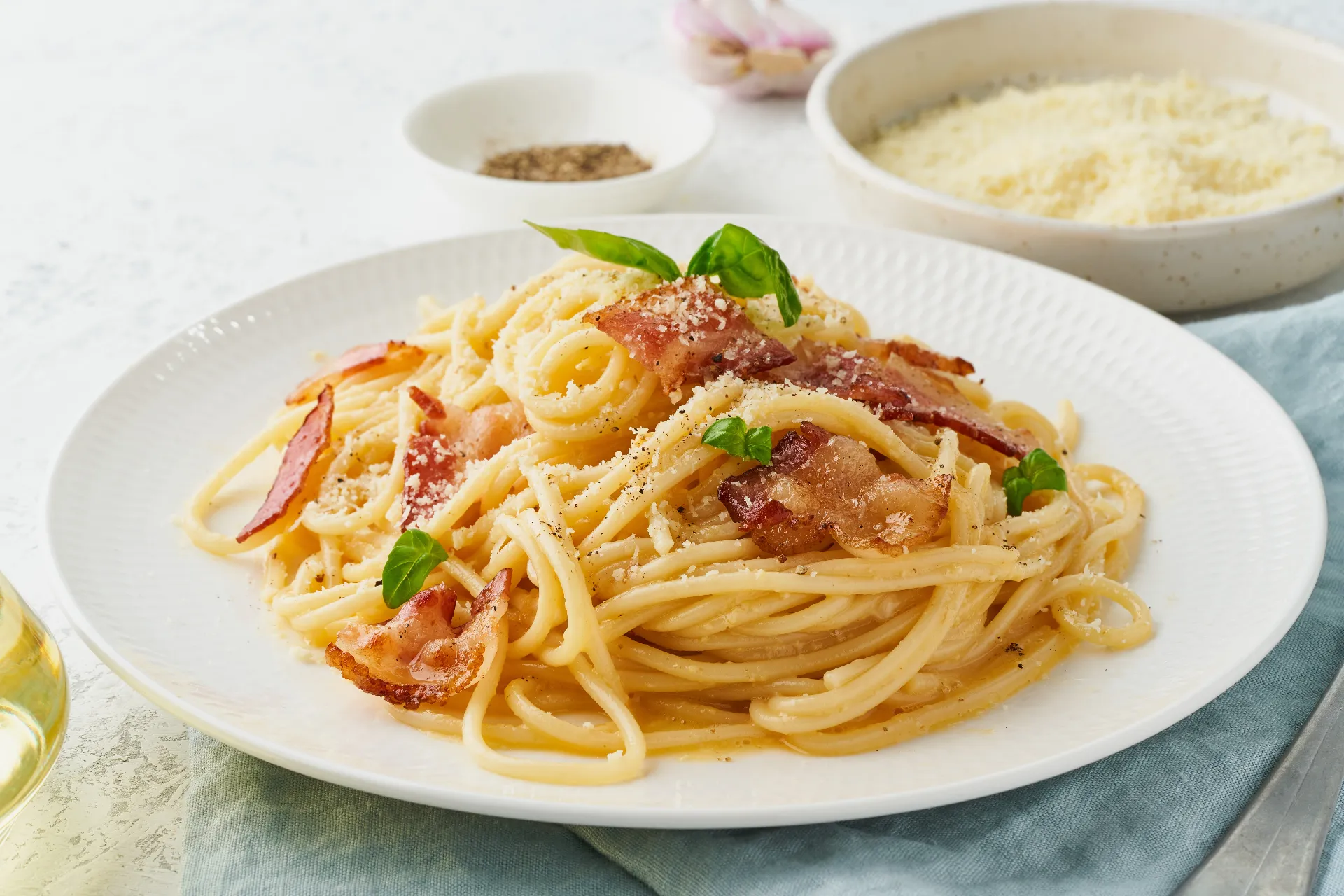
Carbonara: Made with eggs, pecorino, guanciale, and black pepper, this Roman favorite is creamy without using cream.
Amatriciana: A tomato-based sauce with guanciale and pecorino, often served with bucatini, rooted in nearby Amatrice but beloved in Rome.
Supplì: Fried rice balls filled with mozzarella and often flavored with tomato sauce, the city’s most iconic street snack.
Pizza al Taglio: Roman-style pizza sold by the slice and priced by weight, with a light, crispy crust and endless toppings.
Typical Drinks
Italian Wines: Lazio produces both robust reds and crisp whites that pair perfectly with local dishes.
Aperol Spritz: A refreshing aperitivo of prosecco, Aperol, and soda, best enjoyed in piazzas at sunset.
Espresso: Coffee is a ritual in Rome; espressos are taken standing at the bar, often in just a few sips.
Limoncello: A sweet lemon liqueur, more common in southern Italy but popular after meals in the capital.
Amaro: Herbal liqueurs, bitter and aromatic, served as digestifs to end a traditional Roman dinner.

Where to Eat in Rome
Restaurants and Culinary Hotspots
Gastronomic experiences in Rome range from humble trattorias to elegant dining rooms. In Trastevere and Campo de’ Fiori, family-run restaurants serve timeless dishes like carbonara, amatriciana, and Roman-style pizza in lively, rustic atmospheres. Meals here are long, social, and filled with character, making them a highlight of any visit.
For a more refined experience, the areas around Piazza di Spagna and Prati host some of the city’s best fine-dining restaurants, including Michelin-starred kitchens that reinvent Italian classics. Monti, with its creative energy, adds a contemporary twist with modern bistros and wine bars that reflect Rome’s evolving culinary scene. Together, these districts form a dynamic culinary map where both tradition and innovation thrive.
Markets and Local Experiences
Markets are central to Rome’s food culture, offering an authentic way to experience daily life. Campo de’ Fiori is one of the city’s most iconic, with colorful stalls of fruits, vegetables, cheeses, and spices that have supplied locals for centuries. Strolling here in the morning offers a glimpse into Rome’s living traditions and flavors.
Testaccio Market, on the other hand, embodies the city’s culinary soul, with vendors serving staples like supplì, porchetta, and fresh pasta. A more modern option is Mercato Centrale, near Termini station, where traditional vendors mix with gourmet kitchens and experimental chefs. Beyond these, bakeries selling pizza al taglio and artisanal gelaterias ensure that every neighborhood in Rome offers flavors worth discovering. Adding to this, the Roman tradition of the aperitivo, early evening drinks paired with light bites, is best enjoyed in Trastevere’s lively squares or Testaccio’s bars, where the city’s nightlife also flourishes.
Read our blog

The Best Day Trips from Vienna and Berlin