
How to get around toRome
Public and Alternative Transportation Options
Metro
The Rome Metro is the fastest way to reach many key attractions, with three main lines: Line A (red), Line B (blue), and Line C (green). Popular stops include Colosseo for the Colosseum and Forum, Spagna for the Spanish Steps, Ottaviano for the Vatican, and Termini, the city’s main hub. Trains generally run from 5:30 am to 11:30 pm, with extended service until 1:30 am on weekends. Tickets are inexpensive and valid across metro, buses, and trams. Since schedules may change, it is always best to confirm times on the official transport website before traveling.
Buses and Trams
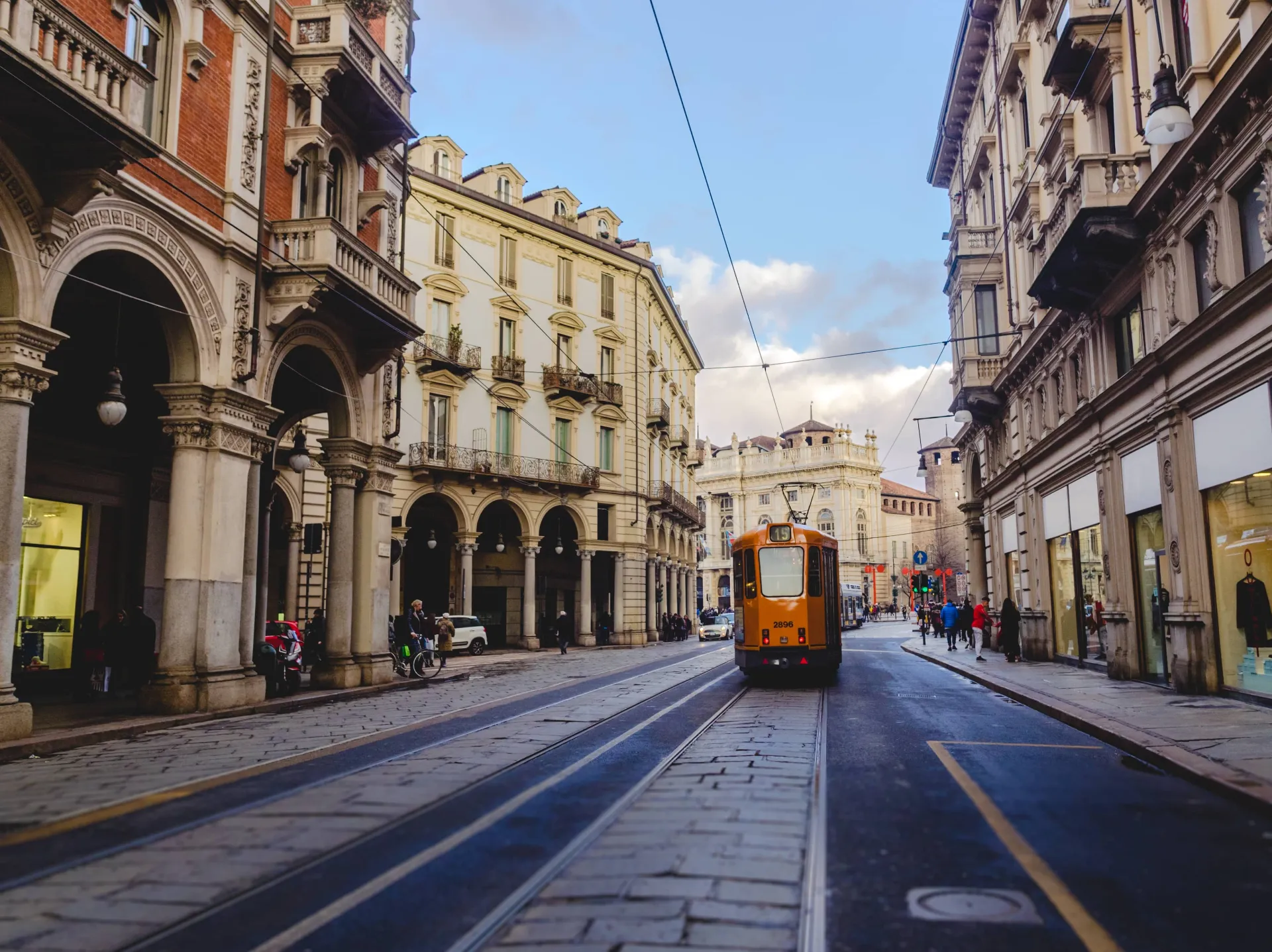
Rome’s extensive bus and tram network reaches areas not covered by the metro, including parts of the historic center. Services run frequently, often from early morning until midnight, with some night buses covering major routes. Tickets must be purchased in advance from vending machines, tabacchi shops, or official apps, and validated when boarding. Buses can be slow due to traffic, but they are essential for reaching less central neighborhoods. The number 64 bus is popular with visitors traveling between Termini and the Vatican. As with the metro, checking the official site for updated timetables is recommended.
Ride-Sharing and Taxis
Traditional white taxis with an official meter are widely available and can be booked at stands, by phone, or through apps such as FreeNow. Avoid unlicensed drivers who may overcharge. Ride-sharing is limited in Rome, and Uber operates only in the premium Uber Black service, which is more expensive than local taxis. For convenience and transparency, using official apps is the safest option.
Biking and Walking
Walking is often the best way to discover Rome, especially in areas like Trastevere, the Centro Storico, and around the Vatican, though cobblestone streets make comfortable shoes essential. Bike-sharing and e-scooter services such as Lime or Dott are available in central districts, offering a sustainable way to move between attractions. Dedicated bike lanes are limited but growing. For those planning to cycle, it’s best to stick to parks and riverside paths, where the experience is both safer and more scenic.
Airport Transfers and Intercity Travel
Rome has two main airports: Fiumicino (FCO) and Ciampino (CIA). Both connect to the city by train, bus, or taxi. The Leonardo Express from Fiumicino to Termini station is the fastest option.
For travel across Italy, high-speed trains from Termini and Tiburtina connect Rome with Florence, Naples, Milan, and Venice in just a few hours.
Smart Tips for a Smooth Ride
Traveling smoothly in Rome means planning ahead and being aware of a few essentials. Always buy and validate your ticket before boarding, as fines are strict and inspections are common. Using official apps such as ATAC or Moovit helps track real-time schedules and avoid delays, especially for buses and trams. When heading to the airport or train stations, allow extra time since traffic can be unpredictable. Sundays are particularly enjoyable for walking or cycling, as several central streets close to traffic and become pedestrian-friendly. Above all, remember that comfortable shoes are key, Rome is best explored on foot, and its cobblestone streets demand good support.
Read our blog

The Best Day Trips from Vienna and Berlin